- Digital sovereignty expert warns that Europe’s autonomy and the future of democracy are at stake in the race for artificial intelligence.
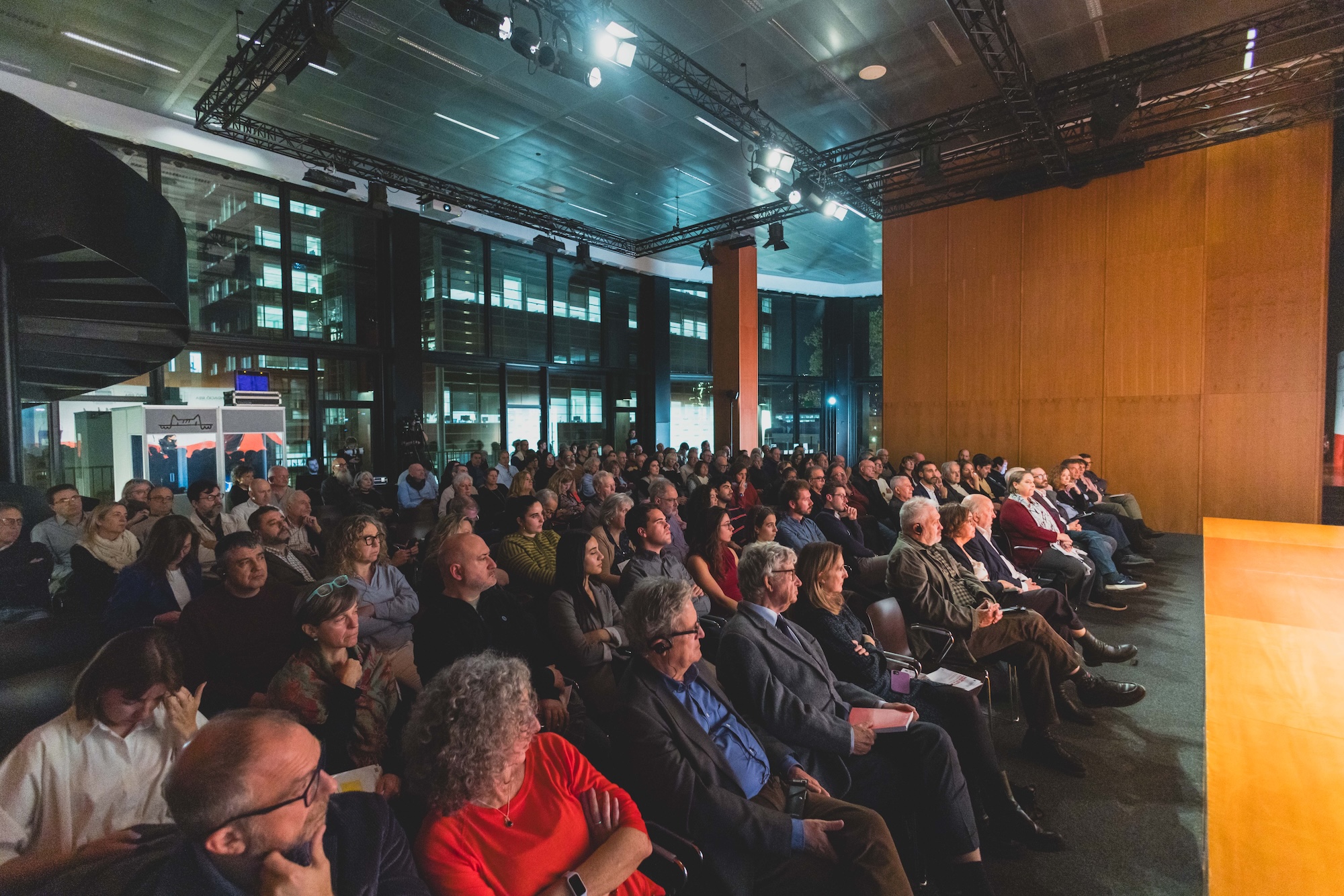
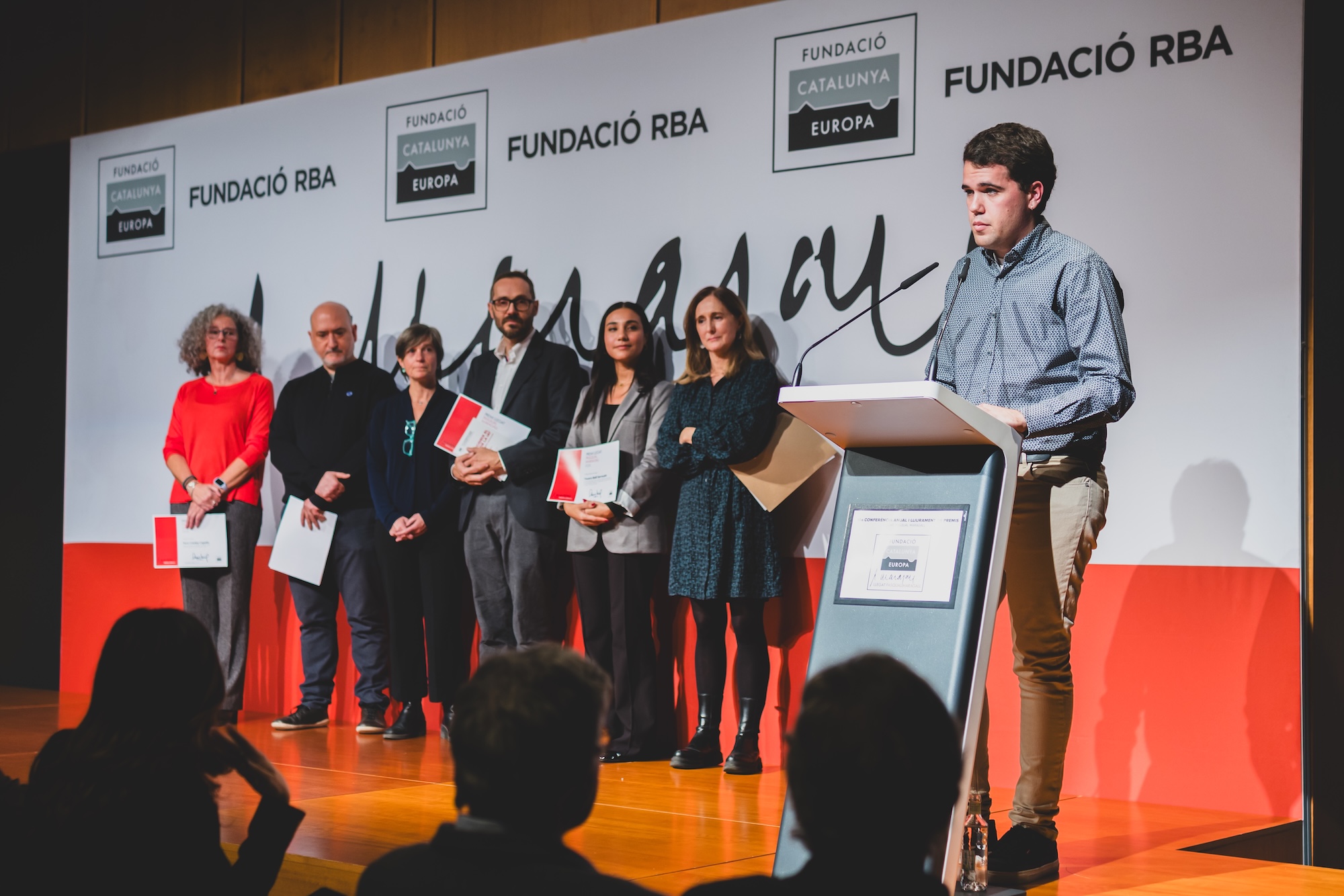
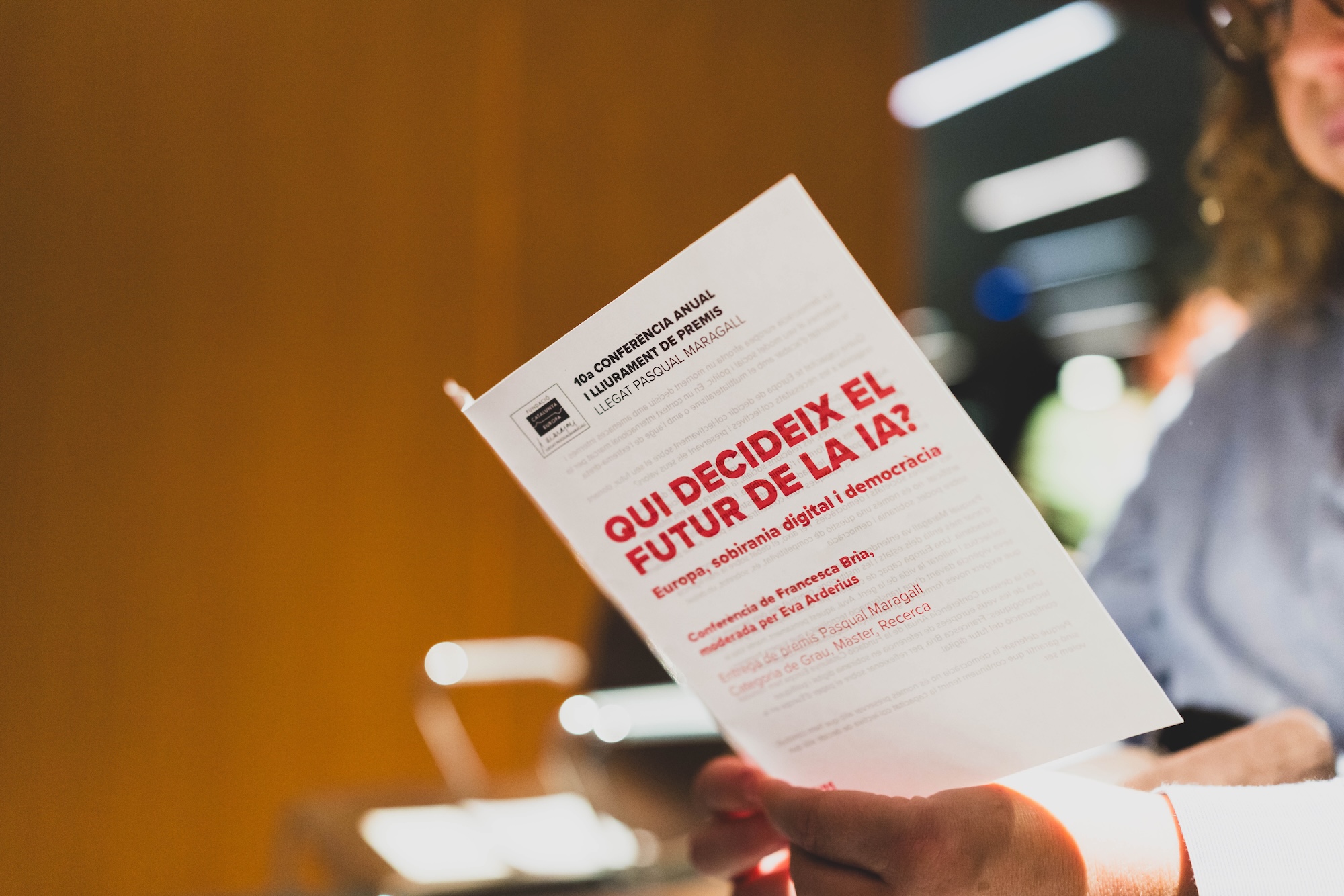
- Last Thursday, the tenth Annual Conference of the Fundació Catalunya Europa took place at the RBA Auditorium, bringing together 160 attendees.
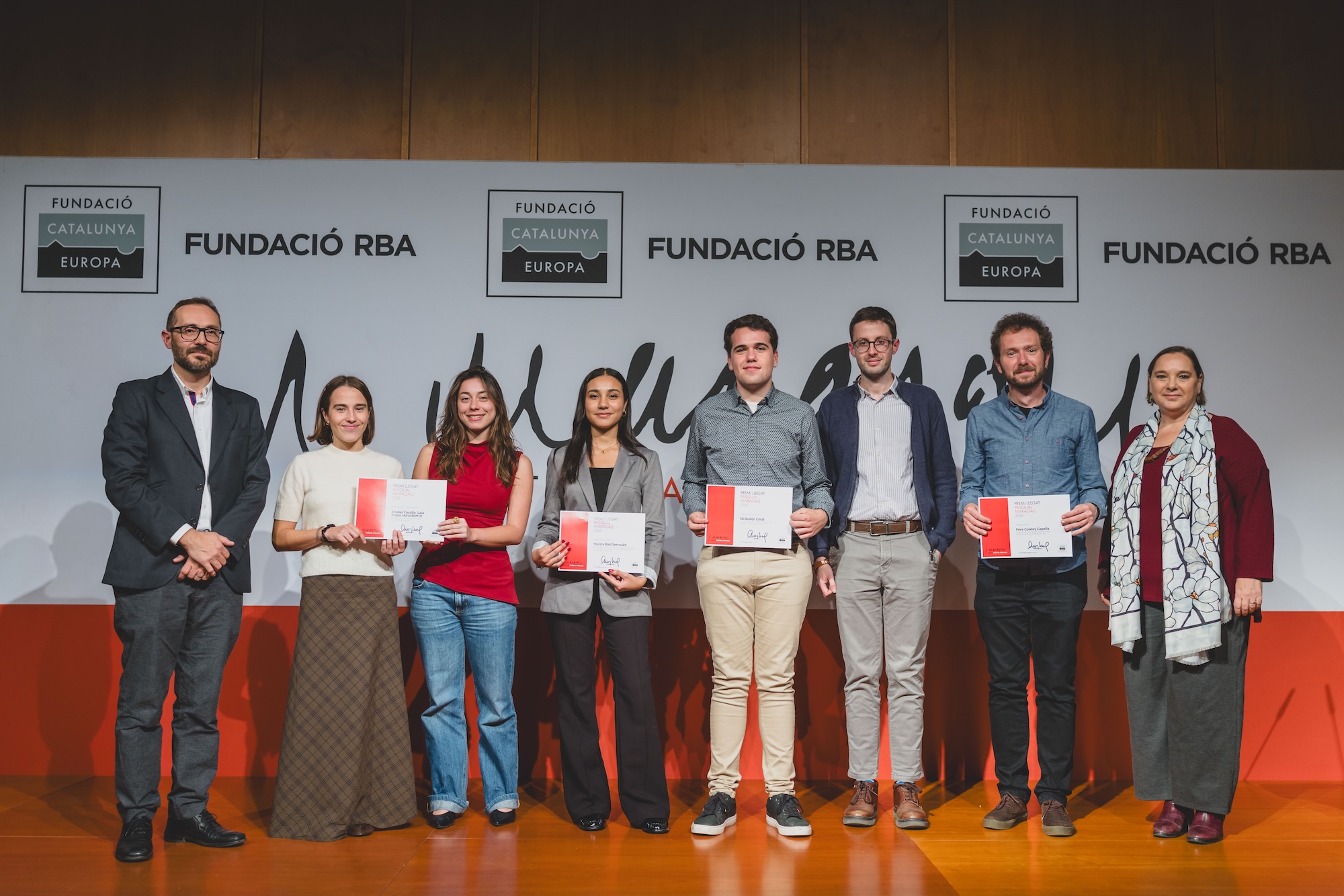
- The event also featured the presentation of the Pasqual Maragall Legacy Awards, which recognise academic and research projects. This year’s edition focused on Europe, Barcelona, democratic values and the 1992 Olympic Games.
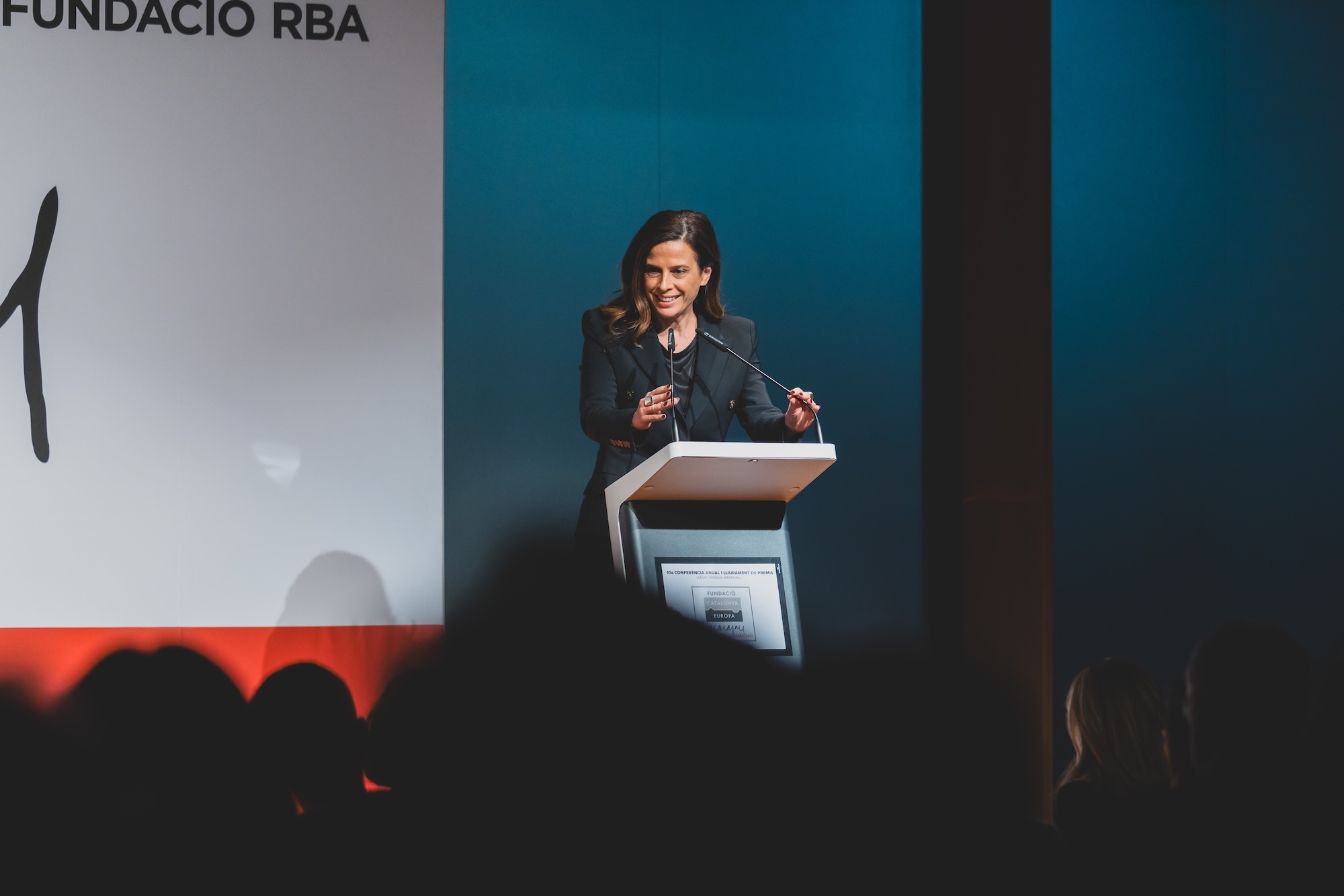
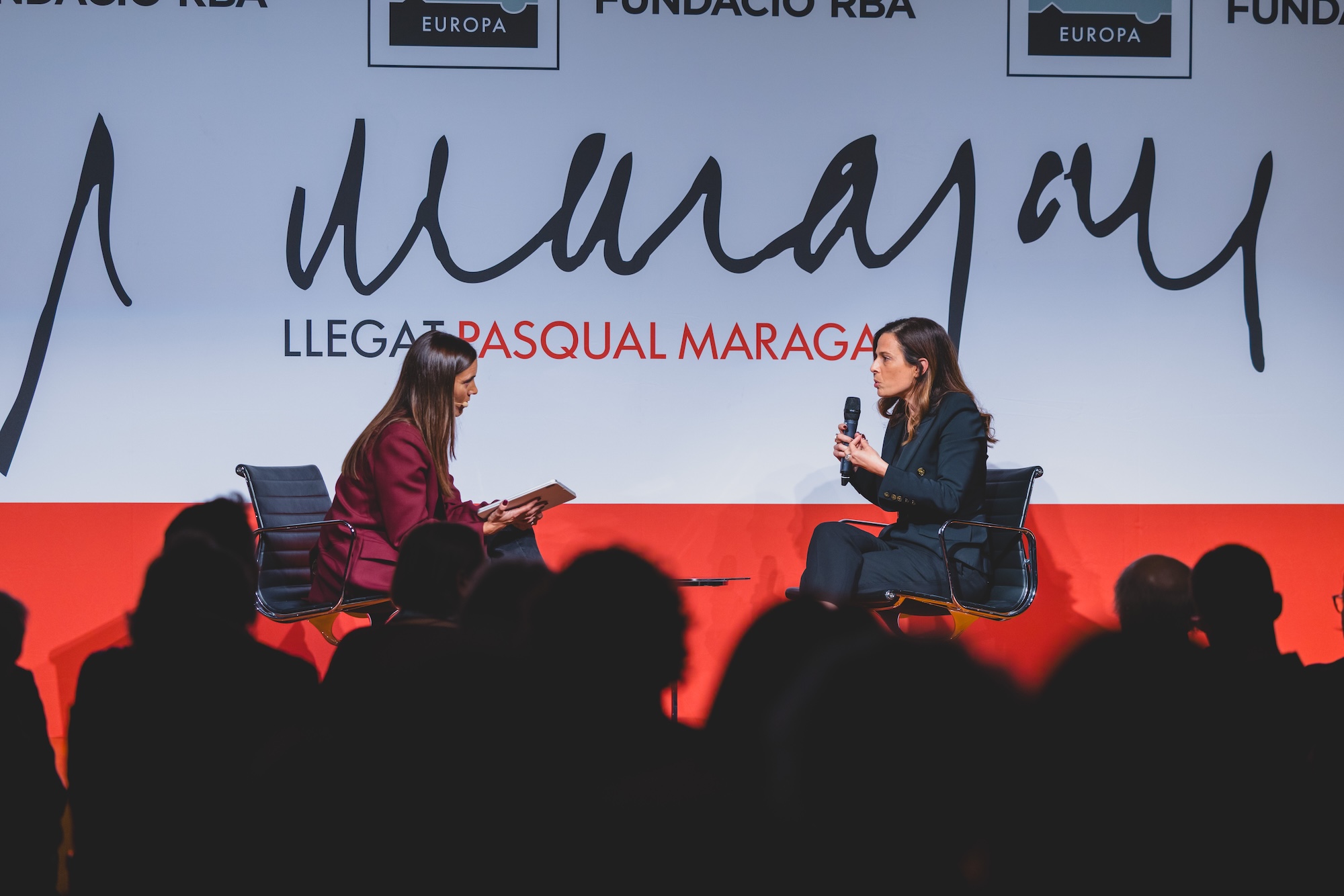
“It is time for Europe’s independence.” With this call, Francesca Bria, economist and digital sovereignty expert, placed artificial intelligence at the centre of the debate on Europe’s future during the Annual Conference of the Fundació Catalunya Europa, held yesterday in Barcelona. Bria warned that the concentration of technological power poses a challenge that goes beyond innovation: it affects political autonomy, democracy and the values that should guide European societies.
The concentration of technological power puts European democracies to the test
Bria warned that the artificial intelligence economy concentrates its benefits in very few hands, while its costs are borne by society as a whole. She also highlighted the convergence of major technology companies and government powers, which she described as techno-authoritarianism, and the risks these tools may pose to democratic institutions.
The expert also argued that Europe must move beyond regulation and develop its own industrial and technological capabilities. “If you’re not at the table, you’re on the menu,” she said, advocating digital sovereignty that would enable the continent to take part in the decisions shaping its future. Bria stressed that the goal is not to oppose technology, but to ensure that it serves people, citizen participation and democratic values.
One of the central messages of her speech was that Europe cannot limit itself to regulating technologies developed elsewhere. Laws are necessary, but a further step is required: building its own industrial and technological capabilities, guided by democratic principles and geared towards the common good.
Pasqual Maragall Legacy Awards recognise research on Europe, Barcelona and territorial inequalities
The Annual Conference also hosted the presentation of the Pasqual Maragall Legacy Awards, which received 32 applications in their twelfth edition. The awards recognise academic and research projects related to the areas that shaped the thinking and political career of the former president: Europe, cities, social cohesion, governance and democratic transformation.
The awards recognised Yousra Balil Serroukh and Nil Aullón Coral, jointly in the Undergraduate category; Peter Cowley Capella, in the Master's category, for his research on the neighbourhood movement critical of the 1992 Olympic Games; and Rubén García del Horno and Arnau Ballesteros Vilarasau, in the Research category, for their project on territorial inequalities and democratic legitimacy in Catalonia.
Special mentions were also awarded to Ivan Sánchez Clivillé for his work on populism and disinformation, and to Anabel Castillo, Laia Rubia and Aina Borrut for a study on the complexity of metropolitan governance.
The award recipients thanked the Foundation for its support of research and highlighted the continuing relevance of Pasqual Maragall’s legacy, both in transforming Barcelona and in his approach to politics, the city and its surrounding territory. His thinking continues to inspire new research into today's social and democratic challenges.