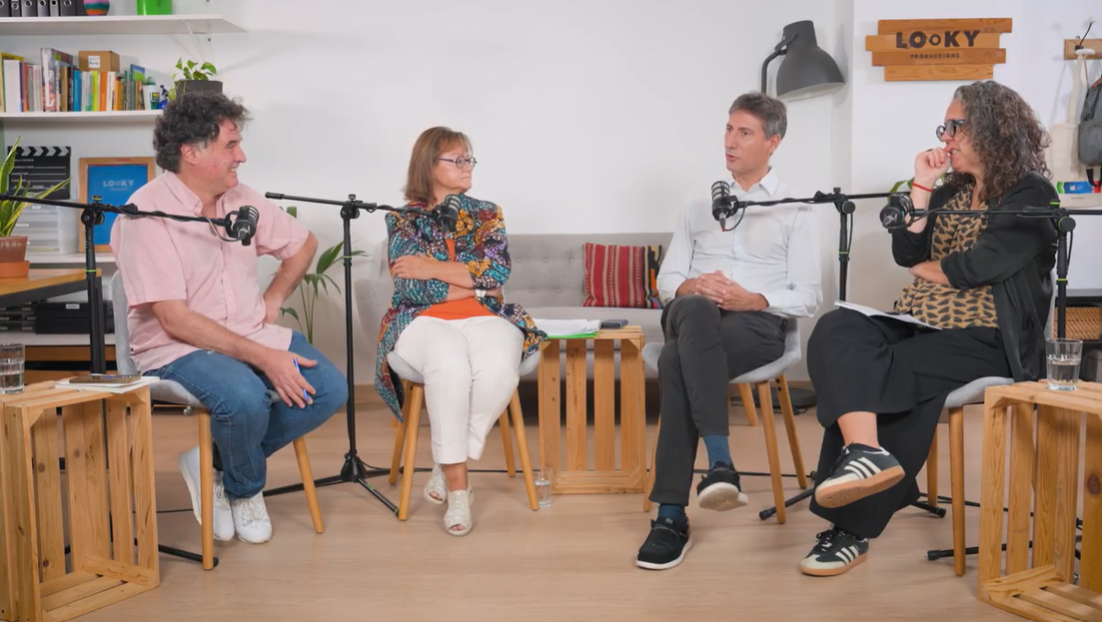
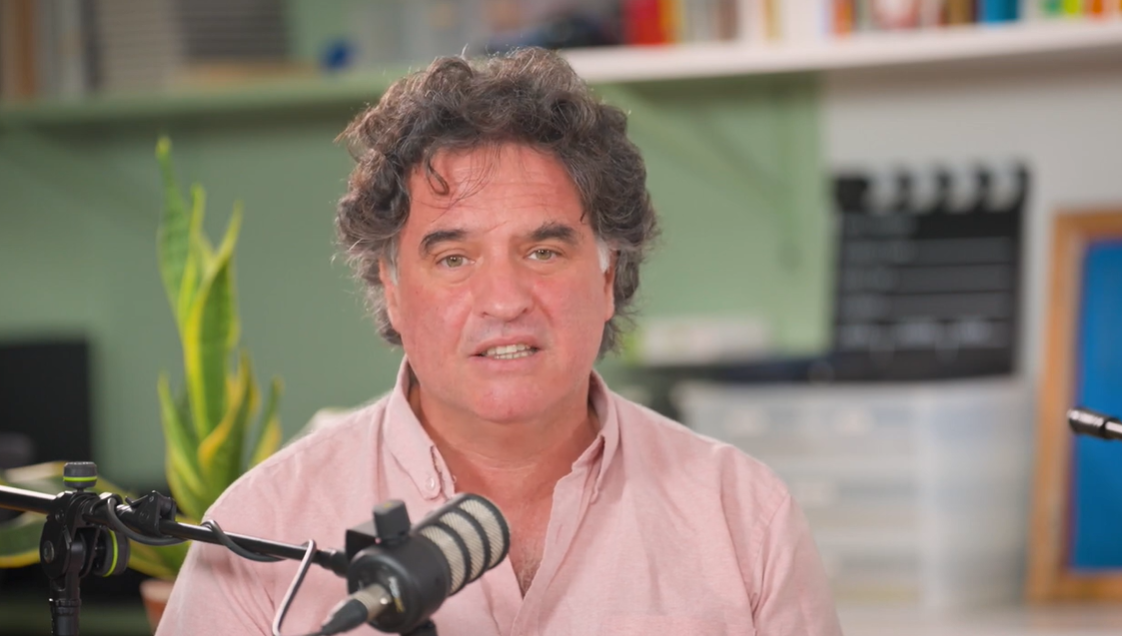
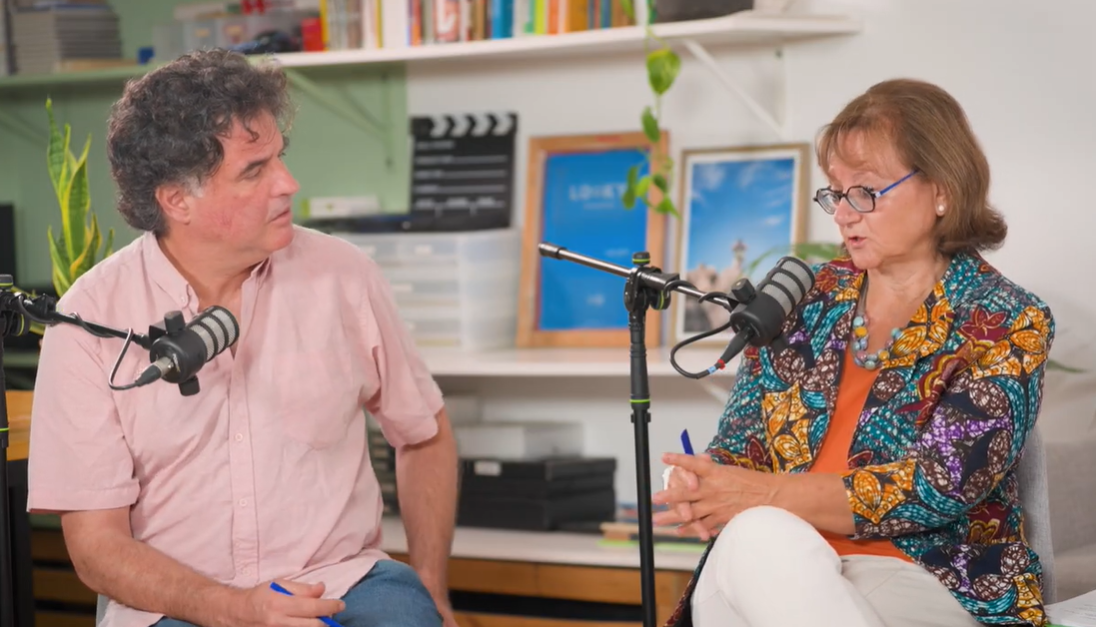
In this episode, we explore European integration, focusing on its current state, its governance and the direction in which it is heading. The podcast series Europa KM40, coproduced by the Fundació Catalunya Europa and Alternativas Económicas, aims to examine whether we are moving forward or taking steps backwards.
To get to the heart of the matter, journalist Pere Rossinyol will speak with three prominent figures: Cristina Gallach (Executive Director of Global Women Leaders and former Secretary of State for Foreign Affairs), Jordi Solé (head of the ACM office in Brussels and former Member of the European Parliament) and Mar Jiménez (Commissioner for European Affairs at Barcelona City Council).
Today’s episode discusses the difficult situation that Europe and its citizens are facing, while recognising that the world as a whole is going through a period of turmoil. In a Europe that lacks cohesion, this creates challenges when it comes to exercising the power at our disposal. The discussion also reflects on the crisis of the European project; not everyone still endorses the vision of a European Union committed to social cohesion and shared mechanisms for equality. Meanwhile, far-right political forces continue to expand their influence, and, as the speakers point out, Europe “is playing a weak hand with these people”.
Migration has also become a key issue in the wake of recent crises. The discussion examines how Europe addresses this challenge while dealing with its own internal shortcomings, many of which stem from the very nature of its multinational construction and the presence of internal “Trojan horses”. Nor should we underestimate external anti-European forces, which have no interest in seeing a cohesive Europe putting forward proposals for progress.
One of the questions raised in the search for solutions, is whether the European Parliament should be granted greater powers. At the same time, the speakers emphasise that cities are among the few remaining pro-European actors with close ties to its citizens. They should be given greater support, more opportunities to participate or, at the very least, be listened to more attentively.
In conclusion, Europeans must reach an agreement to move forward together. We need people committed to working towards European unity, making decisions and taking responsibility. We need to find political leadership. Europe must believe in its ability to build its own model and establish its own rules. We must be able to reflect more deeply and once again become a point of reference. With political will and determination, we can gradually gain ground, but we need vision and drive.