On October 17, 1986, Juan Antonio Samaranch opened an envelope in Lausanne, fulfilling an ambition nearly seventy years in the making. Drawing from Pasqual Maragall’s personal writings, we reconstruct the inside story of the most defining hours in Barcelona’s modern history.
Forty years ago today, Barcelona was officially awarded the 1992 Olympic Games. It marked the culmination of a colossal journey spearheaded years earlier by Mayor Pasqual Maragall.
How did the mayor experience those pivotal moments leading up to the announcement? What went through his mind as he waited for the verdict?
The Hours Leading Up: Confessions from a Swiss Hotel Room
Hours before Samaranch delivered the verdict, Maragall penned a letter to the people of Barcelona from his hotel room in Switzerland. Stripped of official protocol, the mayor set down on paper the raw anxiety felt across the city:
“When these lines appear in print, we will not yet know the IOC’s decision. But several of the goals we set for ourselves when launching this Bid will already have been achieved.”
The stakes were immense because this bid reached far beyond athletics. In those same private notes, he confessed the real driver behind an endeavour that once seemed unattainable:
“For a few years now, Barcelona had seemed sad; it truly lacked a dose of optimism.”
A sweeping catalyst was essential to secure state funding, revitalize neglected neighbourhoods, and tear down the wall of factories and railways blocking access to the coast:
“To break the stranglehold of the railway lines and finally bring the city to the sea.”
Maragall knew the contest against Paris, Brisbane, or Belgrade could be lost in the final stretch. Yet, before the envelope was even opened, he expressed a conviction that resonates just as strongly four decades on:
“Regardless of whether our city is chosen or not, Barcelona has won before the vote. All we lack now is the formal recognition.”
1:29 PM: The Envelope Opens
The recognition arrived right on time. Years later, Maragall recounted that exact moment in La Vanguardia:
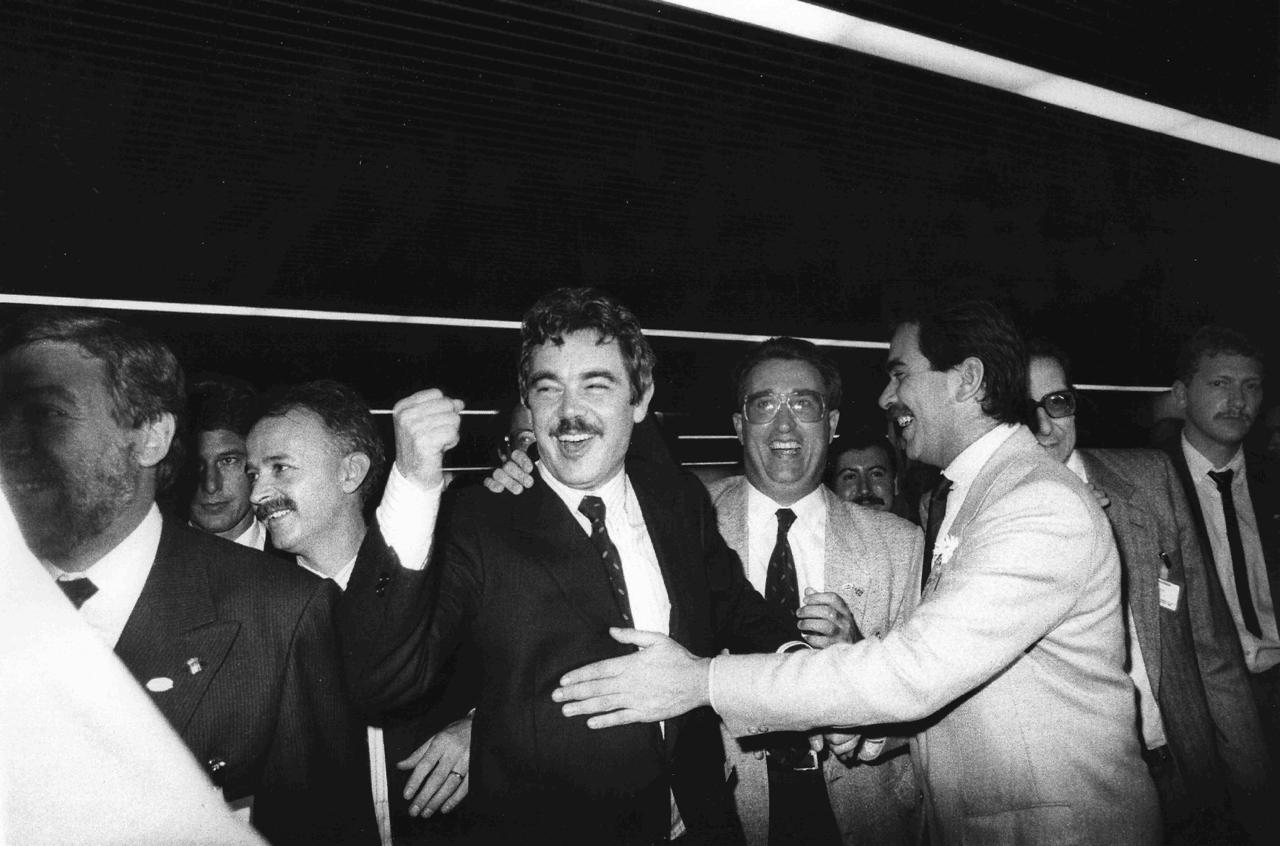
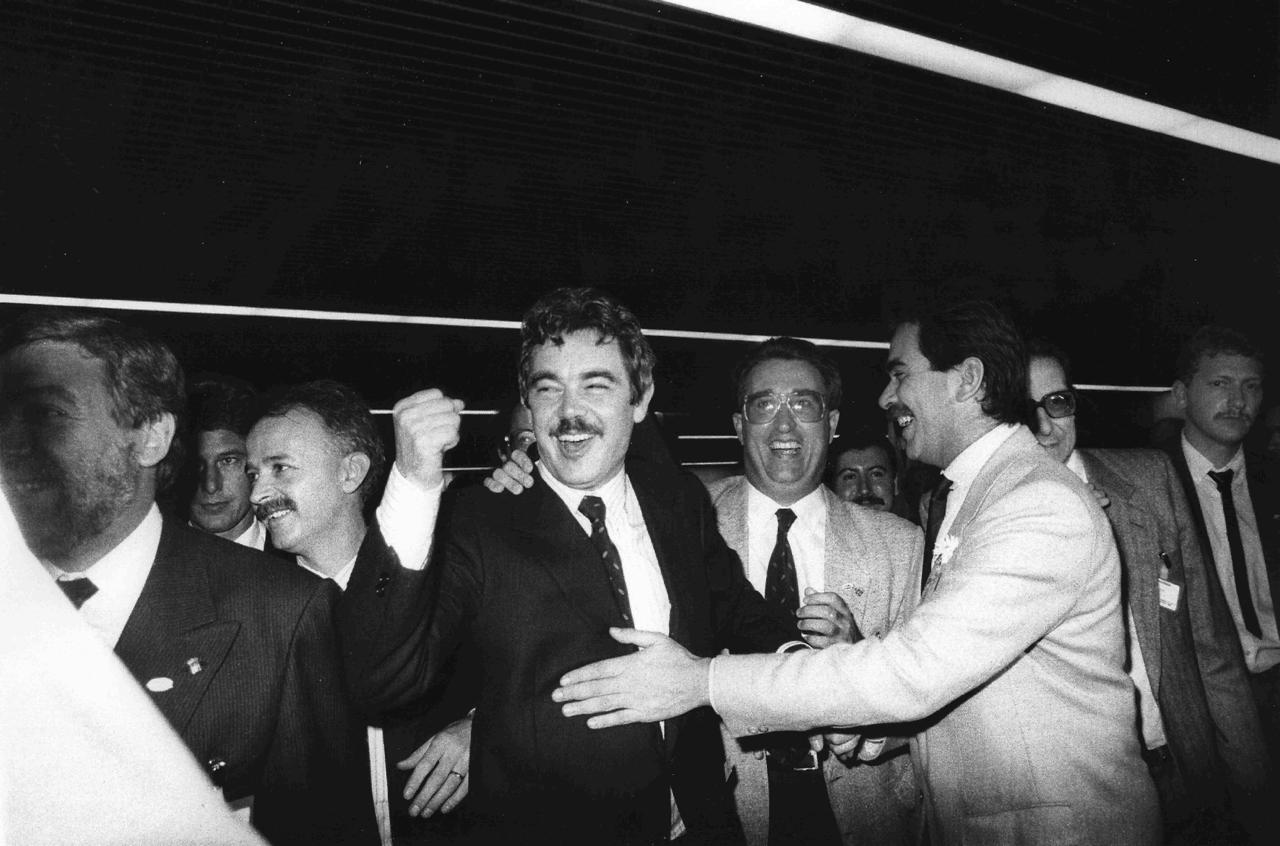
“At 1:29 PM on October 17, 1986, [...] Juan Antonio Samaranch opened the envelope containing the slip with the name of the host city for the 1992 Summer Olympic Games. The Olympic leader paused for what felt like eternity... ‘Barcelona,’ he finally announced, and the members of the Barcelona delegation [...] leapt from our seats, swept up in a wave of embraces and shared congratulations.”
The emotional shockwave instantly travelled from Switzerland to the streets of Catalonia:
“At the exact same time, Samaranch’s voice echoed across Barcelona and throughout the entire country through radio and television speakers. The whole city erupted in an overwhelming wave of collective joy and euphoria. At long last, nearly seventy years of Olympic aspirations became reality.”
A Civic Covenant Before the Montjuïc Celebration
Still riding the adrenaline, Maragall addressed the public to emphasize that this triumph belonged not to City Hall, but to the people:
“The ’92 Games will take place in Barcelona, and you, the people of Barcelona, understood the significance of this Olympic bid from day one. You came together to make it happen, demonstrating what has always defined our character: a drive toward the future and the capacity to set differences aside in service of a shared goal.”
The mayor cautioned that an enormous effort lay ahead so that “Barcelona definitively boards the train of progress, always facing the 21st century.” But that afternoon was not meant for blueprints or concrete:
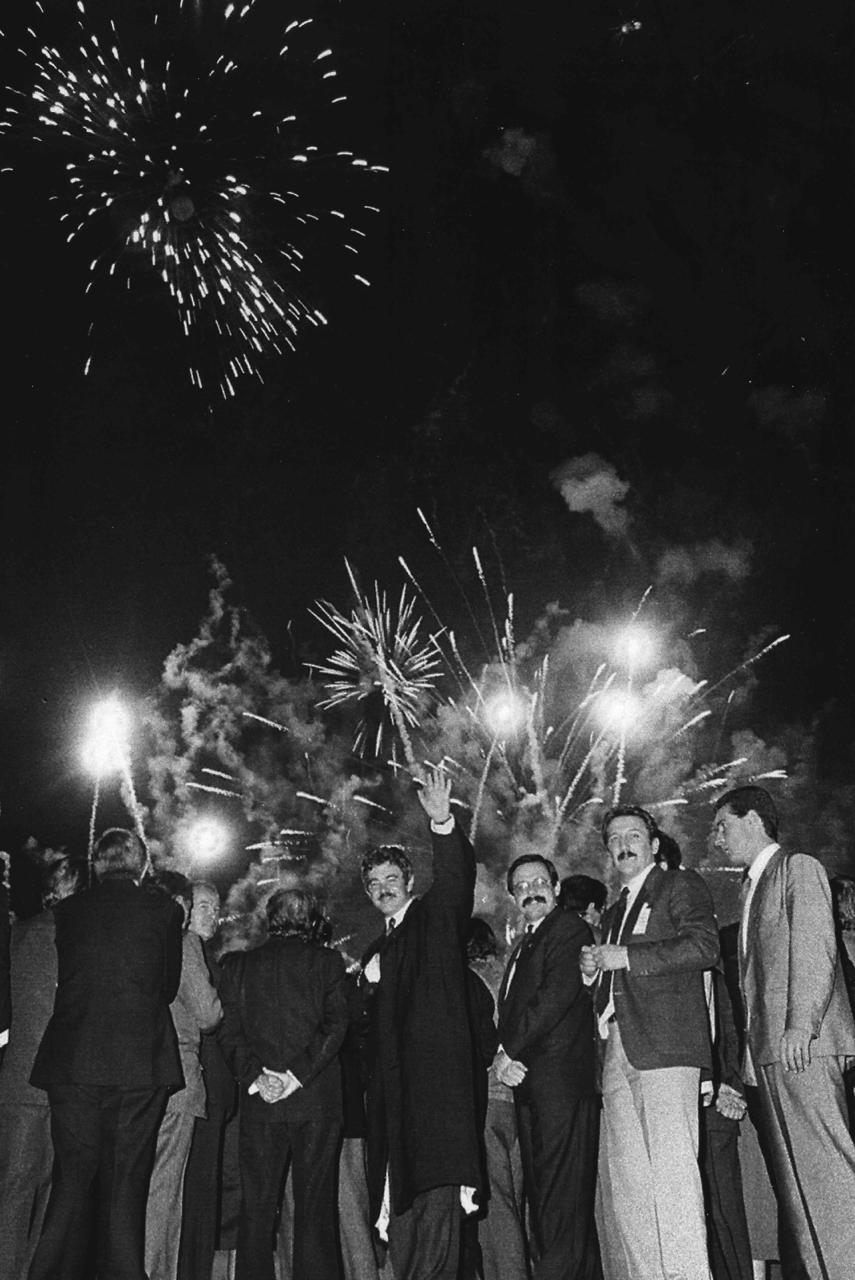
“Now, however, is the time for celebration, joy, and mutual congratulations on this victory. For this reason, citizens of Barcelona, I invite you all to celebrate tonight at 11:00 PM along Avenida de María Cristina, at the foot of the Montjuïc fountains.”
The Mayor’s Leap and the Engine of Transformation
The midnight gathering produced one of the most enduring, human images of Spain’s democratic transition. As Jaume Badia describes in Pasqual Maragall: Pensament i acció:
“On the night of October 17, on the stage at the end of Avenida de María Cristina, the mayor released all the tension accumulated over weeks, especially during the final forty-eight hours in Lausanne. Those moments where Maragall jumped repeatedly with joy, carried away by the public's celebration, became iconic images replayed countlessly ever since.”
The shared purpose sparked in 1986 became the driving force and democratic legitimacy behind sweeping urban transformations: opening the city to the sea, building the ring roads (rondes), constructing storm water reservoirs, developing new housing, and establishing public facilities that placed the Catalan capital firmly on the world stage. All of this unfolded under leadership that balanced institutional ambition with neighborhood dialogue and critique.
Forty years later, that day stands as the turning point that ushered in a new era for both the city and the modern Olympic movement.
The Pasqual Maragall Digital Archive, hosted by the Fundació Catalunya Europa, preserves and shares the historical documents, speeches, and private records that fueled this transformation.